
OEM (Original Equipment Manufacturing) is a model in which the buyer defines the product specification, design or performance requirements and the manufacturer validates, produces and quality-controls the agreed product. The factory supplies manufacturing capability; the brand remains responsible for the commercial brief and approvals.
Start with the responsibility split#
The word OEM is less useful than the question behind it: who owns each decision? In a workable project, the brand owns the target user, channel, price position and acceptance criteria. The factory owns process engineering, production control and the evidence that the output matches the approved sample.
Typical OEM workflow#
- Write a product brief: capacity, voltage, controls, materials, target market and packaging.
- Review feasibility, tooling, safety risks, certification route and sample plan.
- Approve drawings, golden samples, artwork and inspection criteria.
- Run pilot production, close deviations, then release mass production.
- Inspect, document and ship against the agreed commercial terms.
What the buyer should prepare#
- A measurable specification instead of adjectives such as premium or powerful.
- Reference samples or drawings with tolerances and material requirements.
- Country-specific voltage, plug, labeling and certification needs.
- Forecast volume and launch timing, separated from the first purchase order.
- Packaging tests and a written defect classification.
Where OEM projects lose time#
Most delays are not caused by the production line alone. They start with an unapproved interface, changing artwork after tooling, unclear sample ownership or a certification requirement discovered after the design is frozen. A short requirement matrix signed before sampling is usually cheaper than an urgent correction during production.
How X&E fits the model#
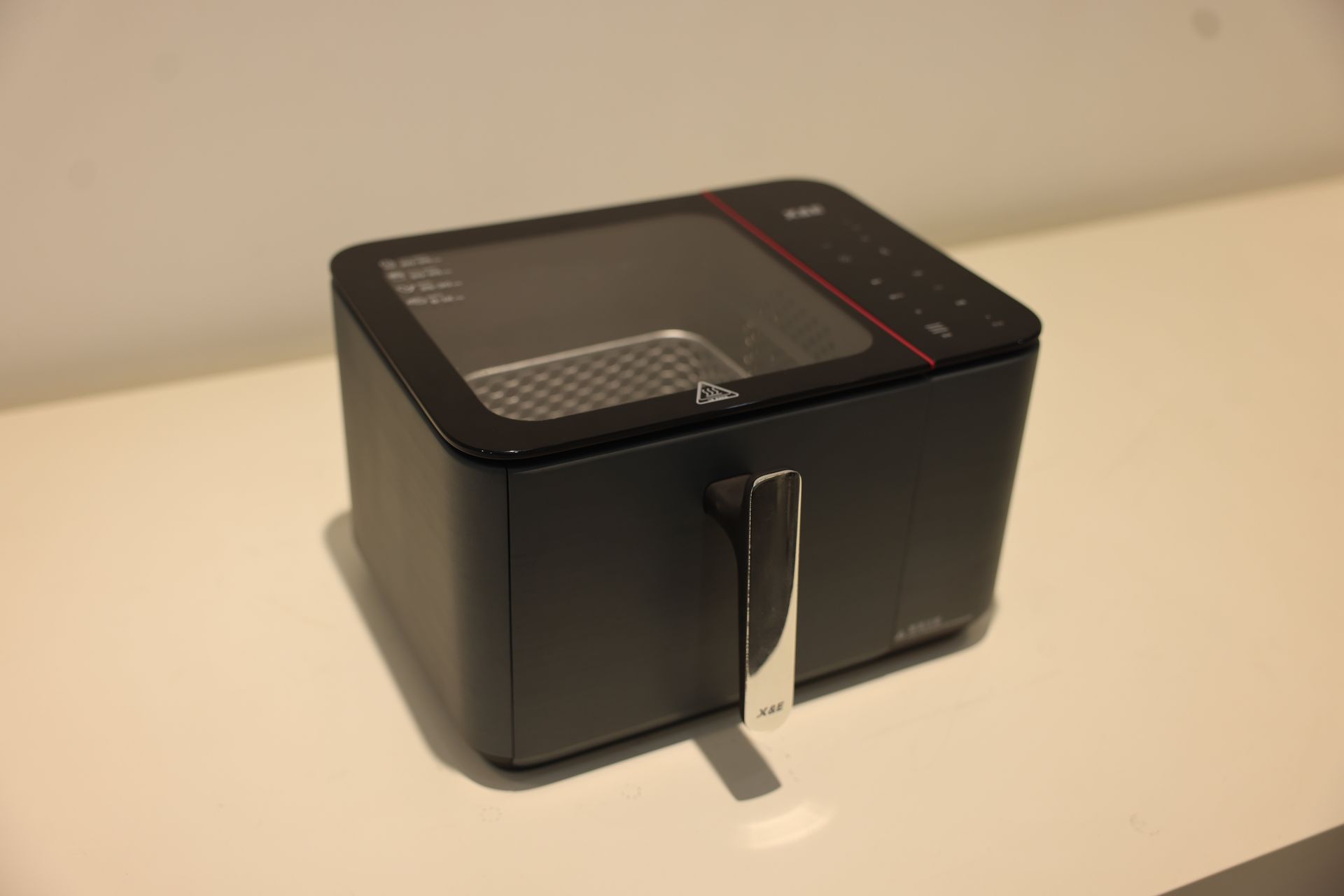
X&E presents itself as a small kitchen appliance OEM/ODM manufacturer covering air fryers, smokeless grills and multi-cookers. Product-specific MOQ, lead time, tooling and certification requirements must be confirmed against the exact model and destination market; this article intentionally does not turn category-level information into a project quotation.
FAQ#
Does OEM always mean the buyer supplies a complete drawing?#
No. The buyer may supply a complete design, a reference product or a detailed brief. The responsibility boundary should be written into the quotation and approval documents.
Is OEM better than ODM?#
Neither is universally better. OEM suits a brand with a clear product definition; ODM can reduce development work when the factory's existing platform is a closer starting point.
What should I send for an OEM quote?#
Send the target market, product type, key requirements, estimated quantity, packaging needs, certification expectations and desired delivery window.
Next step: compare your product brief with the OEM/ODM service overview and contact X&E with the missing decisions listed above.