
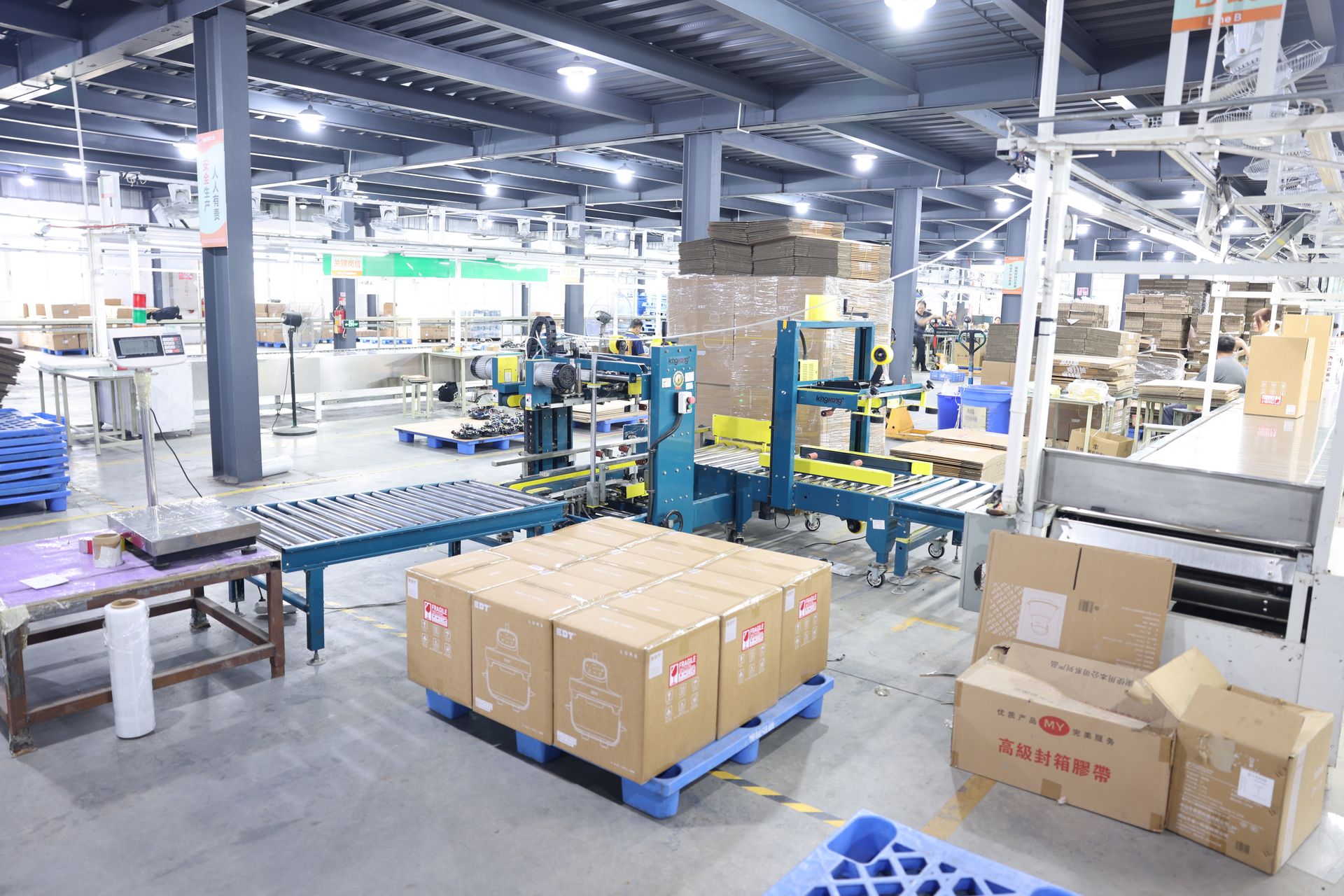
The OEM appliance process moves from a buyer brief to feasibility review, engineering samples, compliance and performance validation, pilot production, mass production, inspection and shipment. The quality of the gates between stages matters more than simply counting the stages.
Gate 1: define the product#
Translate the commercial idea into measurable requirements: cooking volume, controls, temperature range, power, materials, user environment, target price, market and packaging. Record what is mandatory, preferred and negotiable.
Gate 2: prove feasibility#
The factory should identify tooling, supply-chain, safety, thermal, electrical and assembly risks. Ask for open issues rather than a simple yes. A feasibility review is useful when it changes the brief before money is committed.
Gate 3: approve the sample#
Samples should be production-representative. Record model revision, materials, firmware version, cosmetic standard, test results and deviations. A sample is not approved because it looks right in a meeting; it is approved against written criteria.
Gate 4: validate the market version#
Confirm voltage, plug, labeling, manuals, packaging, certification route and shipping configuration for the destination. Certification names alone are not a substitute for a destination-specific compliance plan.
Gate 5: pilot and mass production#
A pilot exposes assembly variation and packaging problems before the full order. During mass production, use incoming inspection, in-process checks, end-of-line testing and pre-shipment inspection. Keep non-conformities tied to corrective action, owner and due date.
Gate 6: learn after shipment#
Track returns, customer support issues, transit damage and recurring defects. The next purchase order should update the specification and control plan. This is how a factory relationship becomes a learning system rather than a sequence of disconnected orders.
FAQ#
How long does OEM development take?#
There is no universal lead time. Existing platforms, tooling, certification, sample iterations and packaging can change the schedule. Ask for a milestone plan tied to approvals.
When should inspection happen?#
Use multiple controls: incoming materials, production process, end-of-line performance and pre-shipment sampling. The right checkpoints depend on the product risk.
What document prevents the most confusion?#
A controlled product requirement and approval pack containing the specification, drawings, sample photos, test method, packaging and revision history.
Next step: review X&E's quality inform…561 tokens truncated…l?
Evidence to request#
- A specification or sample approval template.
- Product-specific test reports and certification documents where available.
- An anonymized corrective-action example that shows root cause and prevention.
- Packaging configuration and transit protection details.
- References or shipment history relevant to your category and market.
Red flags#
Be cautious when a supplier promises every certification without asking the destination, quotes before understanding the specification, refuses to identify assumptions, changes company details between documents, or cannot explain how a defect is detected before shipment.
A weighted scorecard#
Score each supplier from 1 to 5 for product fit, engineering, quality evidence, compliance, capacity, communication and total landed-cost assumptions. Weight the categories according to your risk. A low price should not silently outweigh electrical safety or launch reliability.
FAQ#
Should I choose a factory or a trading company?#
Neither label is enough. Verify who controls engineering, production, inspection, documents and after-sales decisions for your order.
Is a factory audit necessary?#
It is useful for material decisions, but it should complement product-specific samples, documents and quality evidence rather than replace them.
What should I ask first?#
Ask whether the supplier can meet the product, market, quantity and timing requirements—and ask what assumptions their answer depends on.
Next step: use this checklist before requesting a comparative quote from X&E or any other supplier.